Dream Steam: A Quirky Serif Font for Editorial Design
In the crowded landscape of digital publishing, the difference between a reader scrolling past your content and stopping to engage often comes down to typography. As creators, we spend hours crafting words, but if the vessel carrying those words lacks personality, the message can get lost. This is where Dream Steam enters the conversation. It is not just another file in your assets folder; it is a distinct voice that bridges the gap between whimsical charm and structured readability. For bloggers, magazine designers, and ebook authors looking to inject character into their layouts without sacrificing professionalism, this typeface offers a compelling solution.
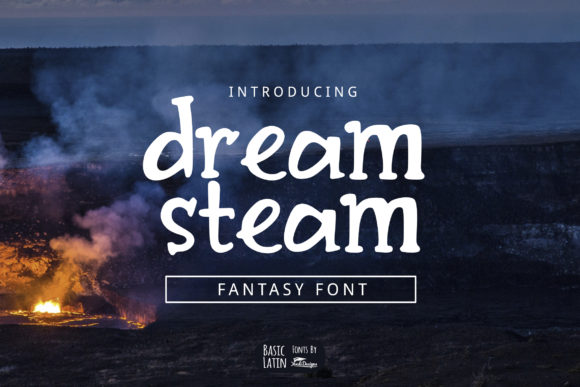
Dream Steam is defined by its unique position as a fun, cartoon-looking serif font. While many serif typefaces lean heavily into tradition, stiffness, or high-contrast elegance, Dream Steam takes a different path. It retains the classic footed structure of a serif but infuses it with a quirky, hand-drawn energy. The strokes feel organic, suggesting a human touch that automated geometric fonts simply cannot replicate. This visual personality makes it an exceptional choice for editorial design where the goal is to create a warm, inviting atmosphere rather than a cold, corporate one.
Elevating Headlines and Publication Branding
The primary strength of Dream Steam lies in its ability to command attention as a display font. When used for blog headers, magazine covers, or ebook titles, it instantly establishes a mood. Imagine a lifestyle blog covering slow living or sustainable fashion; a standard sans serif might feel too sterile, while a heavy script could be hard to read. Dream Steam strikes a perfect balance, offering the legibility of a serif with the approachability of a handwritten note.
For publication branding, consistency is key. Using Dream Steam across your chapter openers, section headings, and pull quotes creates a cohesive visual identity. It signals to the reader that they are entering a specific world—one that values creativity and uniqueness. In a digital magazine layout, using this font for the main cover line can make the publication stand out on a crowded newsstand or social media feed. Its quirky nature ensures that your brand does not look like a template, giving independent creators a competitive edge in building a recognizable brand identity.
Strategic Applications in Content Creation
Understanding where to place Dream Steam within a layout is crucial for maximizing its impact. Because of its distinctive character, it is best reserved for short-form text where its details can be appreciated. Here are several practical ways to integrate this creative font into your workflow:
- Blog Post Titles: Replace generic headings with Dream Steam to increase click-through rates by promising a more engaging read.
- Ebook Covers: Use it for the title text on recipe ebooks, travel guides, or coaching workbooks to convey friendliness and expertise simultaneously.
- Quote Graphics: Social media shares thrive on visual appeal. Placing an inspirational quote in Dream Steam over a textured background creates highly shareable content.
- Printable Planners: For worksheets and lead magnets, use this font for section dividers or motivational sidebars to keep the user engaged.
- Newsletter Headers: Break up the monotony of email text with a stylized header that feels personal and curated.
It is important to note that while Dream Steam is versatile, it is not ideally suited for long-form body copy. Extended reading requires a neutral, highly legible typeface to prevent eye fatigue. Instead, treat Dream Steam as the accent piece in your typographic toolkit. Pair it with a clean, readable sans serif font for captions and navigation elements, or combine it with a traditional, low-contrast serif for the main article text. This contrast creates a sophisticated visual hierarchy, guiding the reader's eye naturally from the catchy headline down to the informative content.
Readability and Technical Considerations
When designing for both screen and print, the technical performance of a font is just as important as its aesthetic. Dream Steam performs well in PDF exports and printable materials, maintaining its crisp edges and unique shapes even at smaller sizes, provided it is used for headings. For mobile layouts, ensure that the line height and letter spacing are adjusted appropriately. The quirky nature of the font means that tight kerning can sometimes cause characters to collide visually; giving the letters room to breathe enhances readability on small smartphone screens.
Before finalizing your design assets, always check the specific included styles of the font file. Look for alternates or ligatures that might add extra flair to specific letter combinations, which is common in modern typography designed for creative projects. If your audience is global, verify the multilingual support to ensure your international readers receive the same high-quality experience. A premium font should offer comprehensive character sets to support diverse content needs.
Licensing and Commercial Use
For professional publishers and content creators, understanding licensing is non-negotiable. Whether you are creating a paid newsletter, a client publication, or a digital download sold on a marketplace, you must ensure you have the correct commercial license for Dream Steam. Most premium fonts allow for use in logos, web design, and packaging design, but restrictions can vary regarding the number of impressions or the type of distribution. Always review the license agreement to protect your business and respect the type designer's work. Investing in a properly licensed commercial font ensures that your project is built on a solid legal foundation, allowing you to focus entirely on creativity and reader engagement.
Ultimately, typography is about communication. Dream Steam communicates fun, uniqueness, and a departure from the mundane. By integrating this serif font into your editorial strategy, you transform standard documents into memorable experiences. Whether you are designing a wedding guide, a cooking zine, or a corporate culture booklet, let the personality of your typeface do the heavy lifting. In a world of generic templates, choosing a font with soul like Dream Steam is a statement that your content matters.